When someone falls overboard, every second counts. Man overboard equipment is not just about compliance, it’s about survival. With cold-water shock and limited survival times, properly maintained equipment can be the difference between life and death.
With over four decades of maritime safety experience, we’ve witnessed firsthand how well-maintained systems can mean the difference between successful rescue and tragic loss. This comprehensive guide explores everything vessel operators need to know about selecting, maintaining, and deploying these life-saving systems.
Why Man Overboard Equipment Is Your Last Line of Defense
Man overboard equipment encompasses specialized safety devices designed to provide immediate assistance when someone falls into the water. These systems must function flawlessly in emergency conditions, often in rough seas, poor visibility, and extreme time pressure. The equipment serves multiple critical functions: providing flotation for the victim, marking their location for rescue teams, and reducing drift to keep the person within recoverable range.
The maritime environment presents unprecedented challenges for equipment durability. UV radiation, saltwater corrosion, and physical wear from vessel movement constantly threaten system integrity. This is why professional maintenance and regular inspection of your man overboard device inventory becomes absolutely crucial for operational readiness.
Essential Types of Man Overboard Safety Equipment
Traditional Man Overboard Gear: Flotation Devices
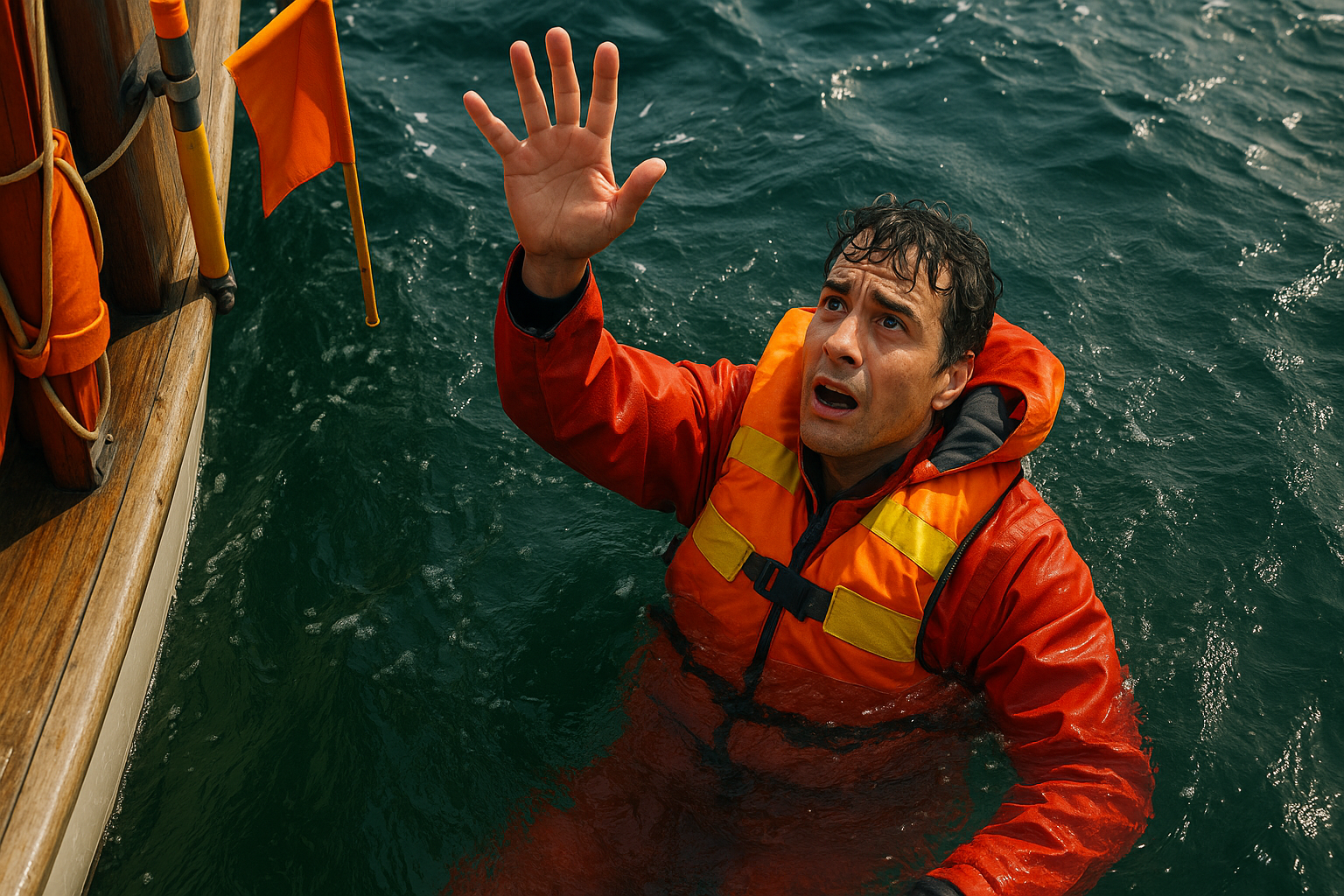
Horseshoe Buoys and Ring Buoys remain fundamental components of any comprehensive safety setup. These devices provide essential flotation support but require careful maintenance to prevent foam deterioration and cover material breakdown. Modern versions incorporate retroreflective tape and high-visibility colors to improve rescue team visibility.
Deployment Considerations: Traditional buoys must be easily accessible and quickly deployable. Many vessels mount these devices in dedicated quick-release brackets positioned at strategic deck locations where crew members can rapidly deploy them during emergencies.
Advanced Man Overboard Device Technology: MOB Pylons and Poles
MOB pylons combine flotation with highly visible markers to help rescue teams locate emergency sites. These systems typically feature bright flags, LED lights, and sometimes smoke signals activated upon water contact. The poles serve as visual reference points that remain above water even in moderate sea conditions.
Critical Maintenance Points: Corrosion of metal components and deterioration of visibility markers represent primary concerns. Regular inspection of light batteries, flag fabric integrity, and mounting hardware ensures reliable operation when needed most.
Specialized Man Overboard Gear: Sea Anchors and Drogues
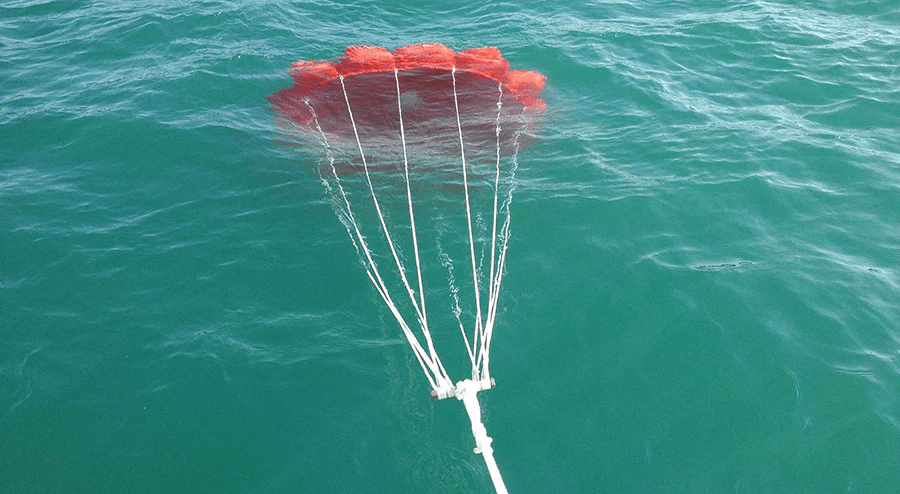
These sophisticated devices reduce drift rates for both MOB victims and rescue equipment, making recovery operations significantly more manageable. By creating drag underwater, sea anchors prevent victims and gear from drifting beyond recoverable distances while rescue operations are organized.
Performance Factors: Fabric tears, line wear, and attachment point failures can render these critical components ineffective. Annual inspection of all fabric surfaces and hardware connections prevents field failures during actual emergencies.
Integrated Man Overboard Device Systems
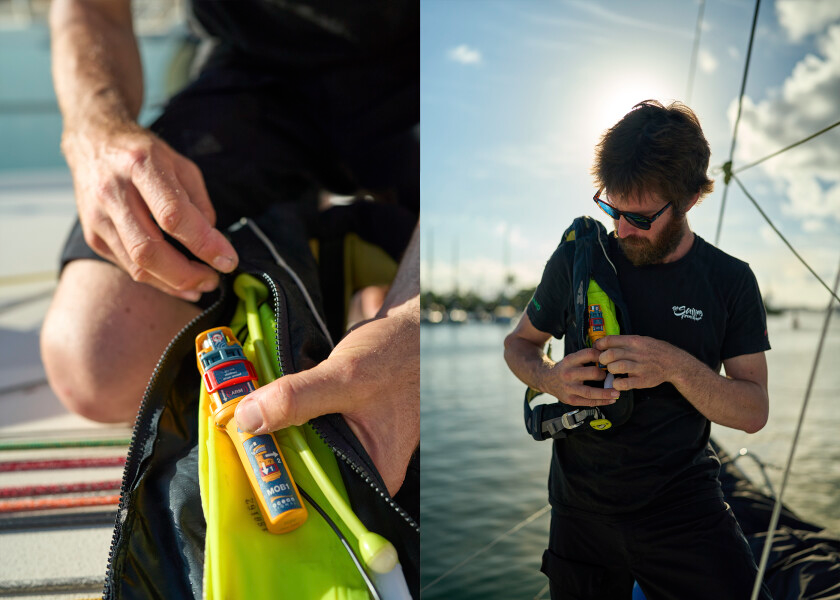
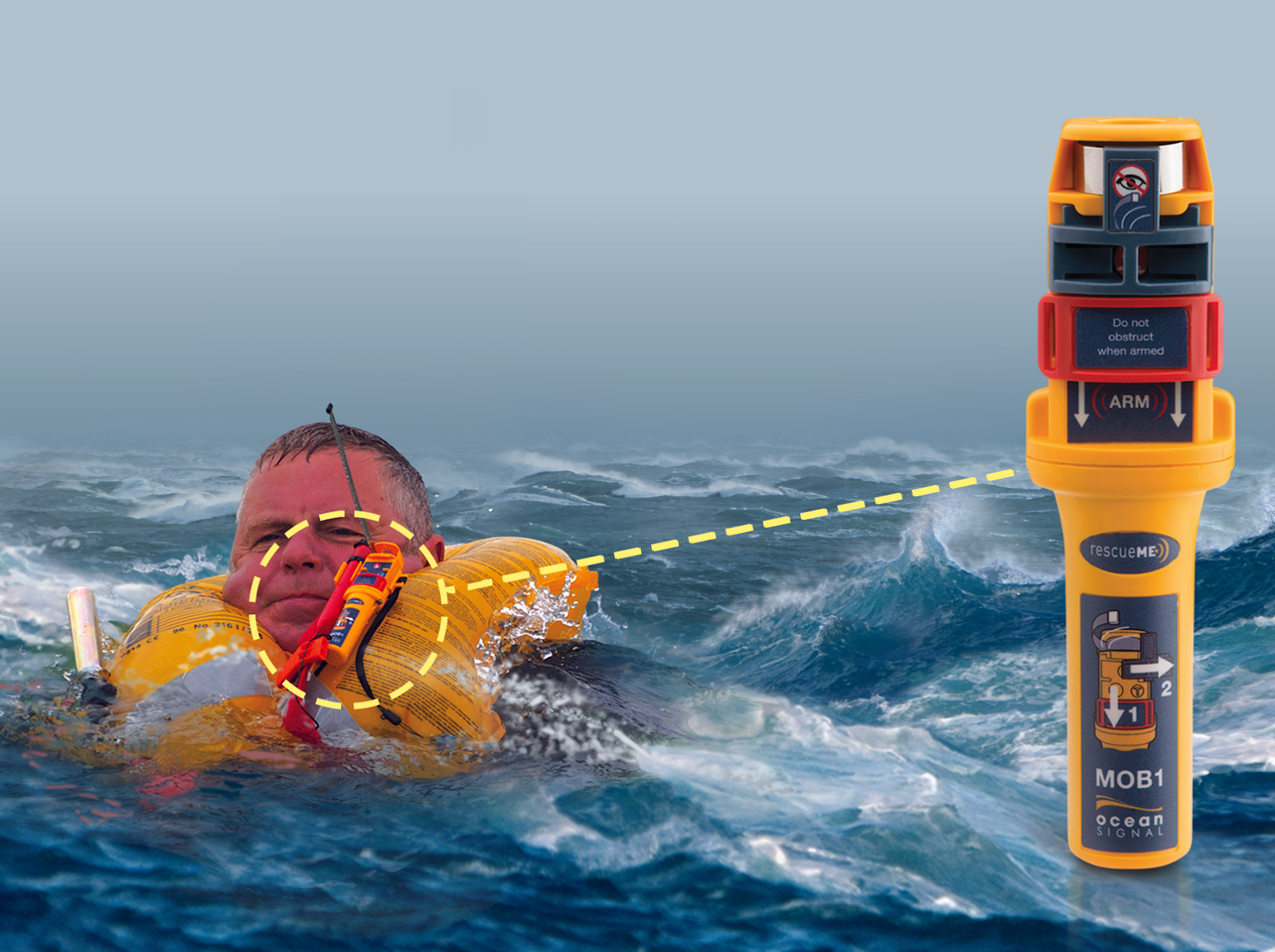
Modern integrated systems like the Switlik Man Overboard Module (MOM) and Ocean Safety JonBuoy represent state-of-the-art rescue technology. These comprehensive man overboard equipment systems combine multiple rescue functions into single deployable units, including flotation, lighting, signaling, and often automatic inflation capabilities.
Advanced Features: Many integrated systems incorporate GPS positioning, AIS (Automatic Identification System) transmission capabilities, and satellite communication features that automatically alert nearby vessels and rescue coordination centers when deployed.
The Critical Importance of Man Overboard Equipment Maintenance
Your man overboard equipment is only as reliable as its maintenance program. Maritime accident investigations consistently identify inadequate equipment maintenance as contributing factors in MOB fatalities. The harsh marine environment demands rigorous attention to system condition and operational readiness.
Common Failure Modes
Inflation System Failures: Corroded CO₂ cylinders and compromised valve mechanisms represent leading causes of equipment failure during deployment. These components require annual inspection and replacement according to manufacturer specifications.
Electronic System Malfunctions: Water ingress, battery expiration, and LED component failures can disable lighting and signaling functions when visibility becomes critical for rescue operations. Regular testing and component replacement prevent these failures.
Structural Degradation: UV radiation and saltwater exposure gradually compromise flotation foam, fabric covers, and attachment hardware. Visual inspection alone cannot identify all potential failure modes, making professional assessment essential.
Regulatory Framework and Compliance Requirements
Maritime safety regulations establish minimum standards for man overboard safety equipment maintenance and inspection. SOLAS Chapter III mandates monthly equipment inspections with detailed annual surveys conducted by qualified personnel. These requirements apply globally to commercial vessels engaged in international voyages.
U.S. Coast Guard regulations under 46 CFR require annual inspections by qualified personnel for all approved marine safety equipment. The regulations specify that vessel owners must maintain detailed service records for all lifesaving equipment throughout its operational life.
Enhanced inspection protocols under IMO Resolution MSC.402(96) establish specific requirements for thorough examination, operational testing, and equipment overhaul. These amendments require certified personnel from equipment manufacturers or Authorized Service Providers to conduct comprehensive examinations and periodic overhauls.
Compliance Benefits: Proper maintenance documentation protects vessel operators from regulatory penalties while demonstrating due diligence to insurance providers and maritime authorities. Well-maintained equipment records can significantly impact liability exposure during accident investigations.
Professional Maintenance Services: Why Expertise Matters
Professional maintenance services provide specialized expertise that goes far beyond basic visual inspections. Qualified technicians understand the technical details that vessel operators may overlook, including pressure testing requirements, component replacement schedules, and manufacturer-specific maintenance protocols.
Comprehensive Service Offerings
Detailed Inspections: Professional technicians conduct thorough examinations of all system components, including inflation mechanisms, structural integrity assessments, and electronic system testing. These inspections identify potential failures before they compromise emergency response capability.
Pressure Testing: Inflatable components require annual pressure testing per manufacturer specifications to verify inflation capability and identify potential leaks or valve malfunctions. This critical service ensures automatic inflation systems function properly during deployment.
Component Replacement: Maintaining extensive inventories of replacement parts for major manufacturers enables rapid turnaround of repair services. Factory-trained technicians can replace corroded cylinders, expired batteries, and worn hardware using OEM components.
System Overhauls: Complete systems receive periodic overhauls including disassembly, component inspection, testing, and reassembly with new consumable parts. These comprehensive services effectively restore equipment to like-new operational status.
Modern Man Overboard Device Technology and Integration
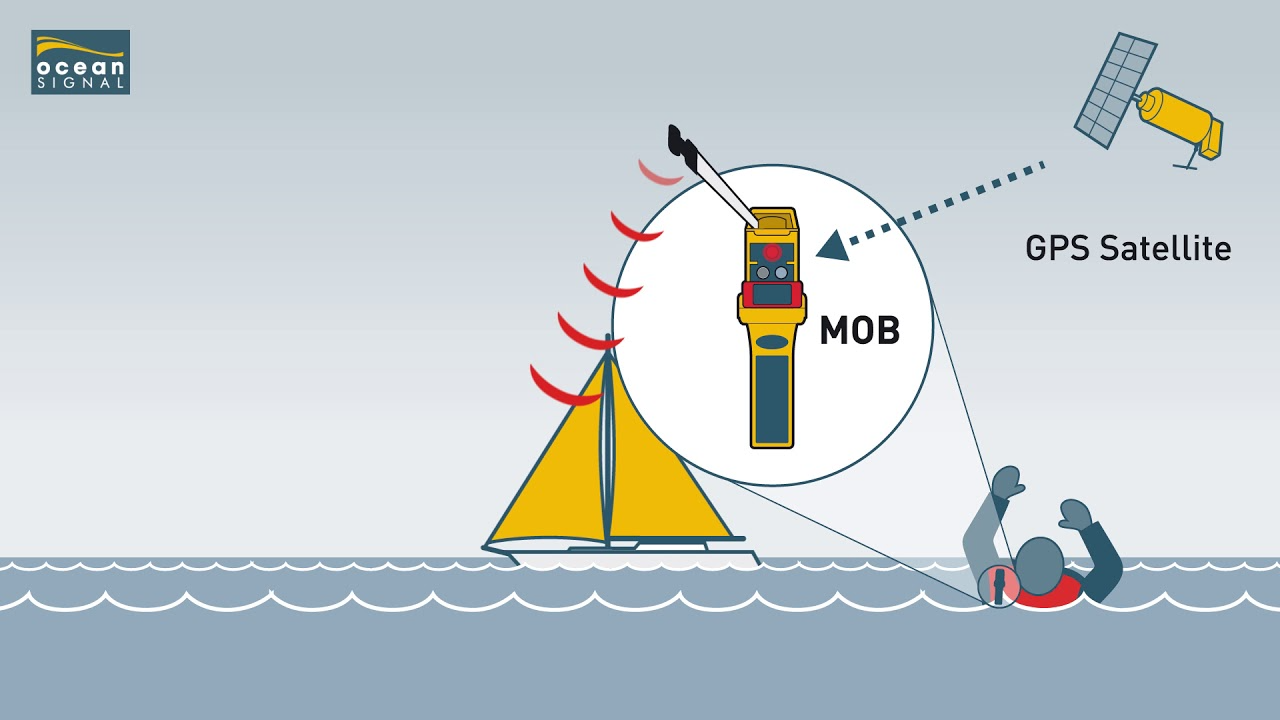
The maritime safety industry continues evolving with advanced technologies that enhance MOB equipment effectiveness. Modern systems increasingly incorporate AIS (Automatic Identification System) integration that automatically transmits distress signals to nearby vessels and rescue coordination centers.
GPS Integration: Contemporary man overboard devices often include GPS positioning capabilities that provide precise location data to rescue teams. This technology dramatically improves rescue effectiveness by providing accurate coordinates instead of estimated drift calculations.
Enhanced Visibility Systems: LED technology, infrared strobes, and extended-duration battery systems improve rescue team location capabilities during low-light conditions. Water-activated deployment mechanisms reduce response time by automatically activating when persons enter the water.
Communication Capabilities: Advanced systems integrate satellite communication features that can transmit automated distress messages with GPS coordinates directly to rescue coordination centers, dramatically reducing response times.
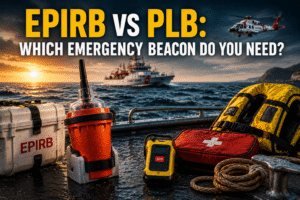
For vessels requiring comprehensive safety equipment solutions, modern EPIRB (Emergency Position Indicating Radio Beacon) systems provide additional layers of emergency communication capability that complement traditional man overboard gear.
Best Practices for Man Overboard Safety Equipment Selection
Selecting appropriate man overboard safety equipment requires careful consideration of vessel type, operational environment, crew size, and regulatory requirements. Different vessel operations demand different equipment configurations and maintenance approaches.
Placement Strategy: Equipment must be positioned for rapid deployment while remaining secure during normal operations. Multiple deployment points provide redundancy and ensure accessibility regardless of emergency location or vessel attitude.
Training Requirements: Even the most sophisticated man overboard device proves useless if crew members don’t understand proper deployment procedures. Regular training exercises ensure crew competency during actual emergencies when stress levels are high and time is critical.
Documentation Protocols: Maintaining detailed service records protects vessel operators legally while ensuring compliance with regulatory requirements. These records prove essential during insurance claims and regulatory inspections.
Conclusion: Don’t Leave Man Overboard Equipment Safety to Chance
Man overboard situations represent some of maritime’s most dangerous emergencies, where equipment reliability can determine survival outcomes. Professional maintenance services ensure your safety equipment functions flawlessly when lives depend on proper operation.
The maritime industry’s growing emphasis on safety culture creates expanding recognition that professional man overboard equipment maintenance represents both regulatory compliance and moral obligation to protect crew members and passengers. As regulatory requirements become more stringent and liability concerns increase, vessel operators must prioritize comprehensive maintenance programs that address every aspect of system reliability.
Your crew’s safety depends on equipment that works when it matters most. Don’t compromise on maintenance quality invest in professional services that understand the technical details and regulatory requirements that keep your safety systems ready for any emergency. When someone’s life hangs in the balance, properly maintained man overboard equipment can make all the difference between rescue and tragedy.