Saltwater Looks Beautiful but It’s Tough on Boat Gear
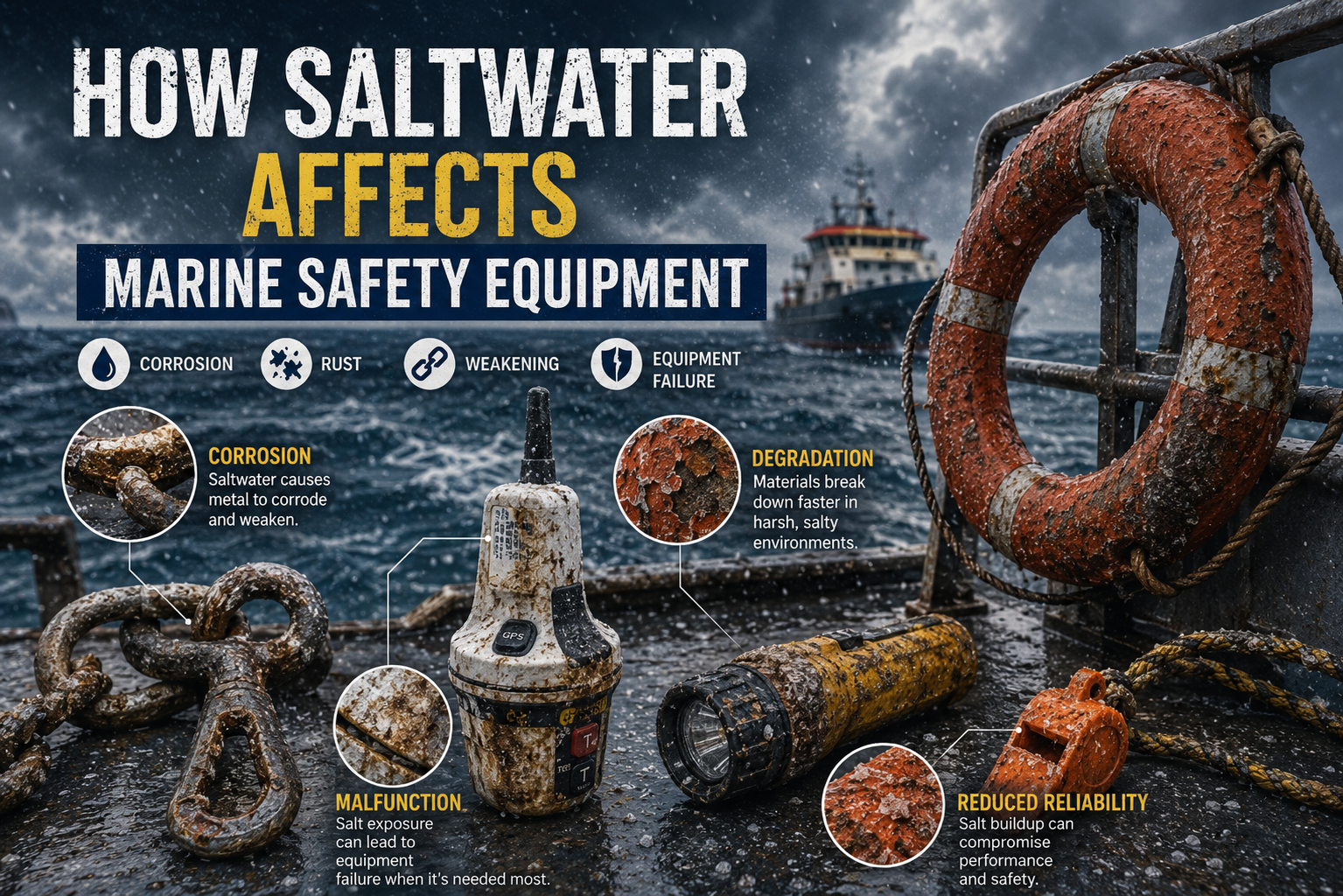
Florida boating is hard to beat. Warm air, open water, and long days offshore make every trip feel like an adventure. But saltwater can quietly damage the gear you depend on most, especially your marine safety equipment.
That damage doesn’t always show up right away either. Sometimes everything looks fine until the moment you actually need it.
Saltwater Corrosion Starts Faster Than Most Boat Owners Expect
Saltwater has a way of getting everywhere. It sticks to metal, works into wiring, and slowly wears down important components over time. That’s why experienced Florida boaters inspect marine safety equipment regularly instead of assuming everything still works.
The biggest problem? Corrosion often starts small.
A little moisture inside electrical connections can eventually damage radios when you least expect it. Buttons stop responding. Signals weaken. Batteries drain faster. Offshore, that becomes more than just an inconvenience.
Even boats stored at marinas feel constant exposure to salty air. You don’t need waves crashing over the deck for corrosion to begin. Florida humidity alone can speed things up.
That’s why cleaning your equipment after every trip matters more than people realize.
Emergency Gear Takes a Beating Offshore
Offshore conditions can get rough fast. Heat, spray, humidity, and direct sunlight all combine to wear down important safety systems. Reliable marine safety equipment helps protect everyone onboard, but only if the gear stays maintained properly.
Take fire extinguishers, for example. Many boat owners install them once and barely look at them again. Meanwhile, salty air slowly affects metal parts and pressure systems over time.
A damaged extinguisher may still appear normal sitting in its bracket. That’s the dangerous part. Problems stay hidden until an emergency happens.
Visual distress signals also suffer from moisture exposure. Florida storms and humid storage compartments can ruin packaging or reduce performance. Old signal flares sometimes fail because water slowly reaches the contents over months or years.
Trust me, that’s not something you want to discover offshore after sunset.
Radios Struggle More in Saltwater Conditions
Boat electronics work hard in Florida waters. Heat and salt exposure create constant stress, especially during long offshore runs.
Over time, radios can develop corrosion around wiring connections and antennas. You might notice statistics first. Maybe weaker communication range. Then one day the system simply stops working altogether.
That’s why smart boat owners test communication systems regularly instead of waiting for problems. Quick inspections catch small issues before they become expensive repairs.
And honestly, marine electronics aren’t getting cheaper. Protecting your equipment now saves money.
Many Florida captains also use protective covers and dry storage compartments whenever possible. It sounds simple, but those habits really help extend equipment life offshore.
Life Rafts Need More Attention Than People Think
A lot of boaters assume life rafts stay ready forever once purchased. Not true.
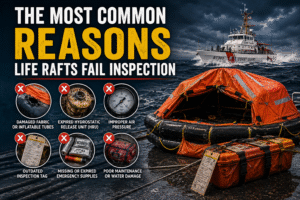
Saltwater exposure, heat, and moisture can slowly affect raft materials and inflation systems over time. Even storage containers take damage after years in harsh marine conditions.
The Florida sun adds another layer of wear. UV rays weaken materials faster than many people expect, especially during long boating seasons. That’s why scheduled inspections matter so much for offshore equipment.
Reliable marine safety equipment should always feel ready before you leave the dock. If your raft hasn’t been inspected recently, now’s probably the time.
Some boat owners delay servicing because they rarely use the equipment. But emergency gear isn’t like regular boating accessories. It has to work perfectly for the first time.
Small Maintenance Habits Make a Huge Difference
You don’t need a complicated system to protect your gear. Consistent habits usually matter more than expensive upgrades.
Freshwater rinses after every trip help reduce salt buildup on marine safety equipment. Wiping down storage areas also keeps moisture levels lower inside compartments.
It’s smart to inspect fire extinguishers every few months too. Look for rust, pressure loss, or damaged mounting brackets. Offshore vibration and heat can loosen equipment faster than expected.
Checking visual distress signals should become part of your regular boating routine as well. Expired or water-damaged signals lose reliability quickly in Florida’s climate.
And yes, even newer boats need regular inspections. Saltwater doesn’t care how expensive your setup is.
Florida Conditions Create Extra Wear on Safety Gear
Boating in Florida is different from occasional lake trips. Offshore fishing, coastal cruising, and year-round boating expose equipment to constant salt and humidity.
That environment slowly wears down seals, wiring, metal parts, and emergency systems. Reliable marine safety equipment requires attention because offshore conditions stay demanding almost every month of the year.
Many local boaters learn this lesson after their first few seasons. Something stops working unexpectedly. Corrosion appears where they didn’t expect it. Batteries fail earlier than planned.
After that, maintenance becomes a priority.
The good news is that most problems are preventable with regular checks and proper storage. A few extra minutes after each trip can extend the life of your equipment significantly.
Don’t Wait Until an Emergency to Find Problems
The worst time to discover damaged equipment is during an emergency offshore. That’s why experienced captains stay proactive with inspections and servicing.
Test your radios before longer trips. Inspect life rafts on schedule. Replace damaged visual distress signals immediately instead of waiting for another season.
And don’t overlook fire extinguishers tucked away in storage compartments. Salt exposure keeps working even when the equipment sits unused.
Florida boating should feel exciting, not stressful. Maintaining your marine safety equipment helps keep your trips safer, smoother, and a whole lot more enjoyable.
Honestly, a little maintenance now beats dealing with failure offshore later.
FAQ
- Why does saltwater damage marine safety equipment?
Saltwater causes corrosion, moisture buildup, and wear on metal, wiring, and emergency gear over time. - How often should marine radios be inspected?
You should test radios regularly, especially before offshore trips, to catch corrosion or signal problems early. - Can fire extinguishers rust on boats?
Yes, Salt air and humidity can damage fire extinguishers, especially in Florida’s coastal environment. - Do visual distress signals expire?
Yes. Many visual distress signals have expiration dates and should be replaced when damaged or outdated. - How long do life rafts typically last?
Life rafts can last many years with proper inspections and servicing, but Florida heat and salt exposure may shorten their lifespan.