Heading Offshore? Don’t Leave the Dock Unprepared
Florida waters can look calm for one minute and turn rough fast. That’s part of the adventure, but it’s also why smart boaters never skip the basics. The right offshore boating safety equipment keeps you ready when weather shifts; engines fail, or visibility drops miles from shore.
A lot of people focus on cool upgrades first. Bigger speakers. Better seating. Maybe a new cooler. But trust me, safety gear matters more when you’re far offshore, and help isn’t close by.
The Gear That Can Save Your Trip or Your Life
Every offshore trip should start with reliable life jackets. Not the old dusty ones buried under lines (sometimes called ropes) and towels. You want properly fitted jackets that are easy to grab fast. In Florida, sudden storms and strong currents can change everything within minutes.
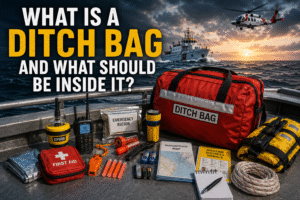
Good offshore boating safety equipment also includes updated flares. They help rescuers spot you when visibility gets ugly, or your boat loses power after sunset. A flare kit isn’t something you buy once and forget forever. Check expiration dates often. A lot of boat owners overlook that part.
And then there’s the VHF marine radio. Honestly, this one gets underestimated all the time. Cell phones lose signal farther offshore than many people expect. A quality VHF radio gives you direct communication with nearby vessels and emergency responders. That peace of mind feels different once you’re ten or twenty miles out.
Florida Waters Demand More Than Basic Safety Gear
Boating in Florida isn’t just weekend cruising around calm marinas. Offshore runs can mean deep water, fast-changing weather, and crowded channels. That’s why experienced captains always invest in dependable offshore boating safety equipment before the season starts.
An EPIRB can become your best backup during a real emergency. If your boat takes water or loses power offshore, this emergency beacon sends your location to rescue teams fast. You hope you never need it. Still, if things go sideways, you’ll be glad it’s on board.
Fire risks matter too, especially with fuel systems and electrical equipment working hard under the Florida sun. Reliable fire extinguishers belong in easy-to-reach locations, not hidden behind storage bins. Quick access matters when seconds count.
One thing seasoned boater understand? Safety gear isn’t there to scare you. It gives you confidence. You relax more because you know you’re prepared.
Smart Boaters Check Their Equipment Before Every Trip
Preparation doesn’t need to be complicated. A simple routine before leaving the dock can make a huge difference later. Check your life jackets for wear. Test your marine radio. Confirm that your flares are current and dry. Small habits keep offshore trips smoother and less stressful.
You’ll also want to inspect your EPIRB regularly. Batteries and registration details need to be updated over time. A beacon only helps if it’s functioning correctly when you actually need it.
Many Florida boaters also carry extra fire extinguishers during longer offshore runs. Heat, fuel vapors, and engine strain create more risk once you’re running hard in open water. It’s a smart move, especially during busy summer months.
The truth is simple. Offshore boating safety equipment isn’t just about following rules. It protects your passengers, your investment, and your time on the water.
Safety Gear Makes Offshore Adventures More Enjoyable
People sometimes think safety equipment ruins fun. It’s actually the opposite. When your boat is properly equipped, everyone onboard feels more comfortable. Friends relax. Families enjoy the ride more. You stop worrying about “what if” situations every few minutes.
That’s especially true in Florida where offshore fishing trips and long coastal cruises are part of the lifestyle. Conditions can shift quickly out there. Wind picks up. Visibility drops. Storms roll in from nowhere. Strong offshore boating safety equipment helps you handle those moments calmly.
Even experienced captains rely heavily on backup systems. They carry extra flares, dependable life jackets, and a powerful VHF radio because experience teaches one thing fast the ocean doesn’t always cooperate.
And honestly, preparation feels good. There’s confidence in knowing your boat is ready before you throttle up and head offshore.
Don’t Wait Until Something Goes Wrong
A lot of people buy safety gear after a close call. That’s backward. The best time to upgrade offshore boating safety equipment is before problems happen.
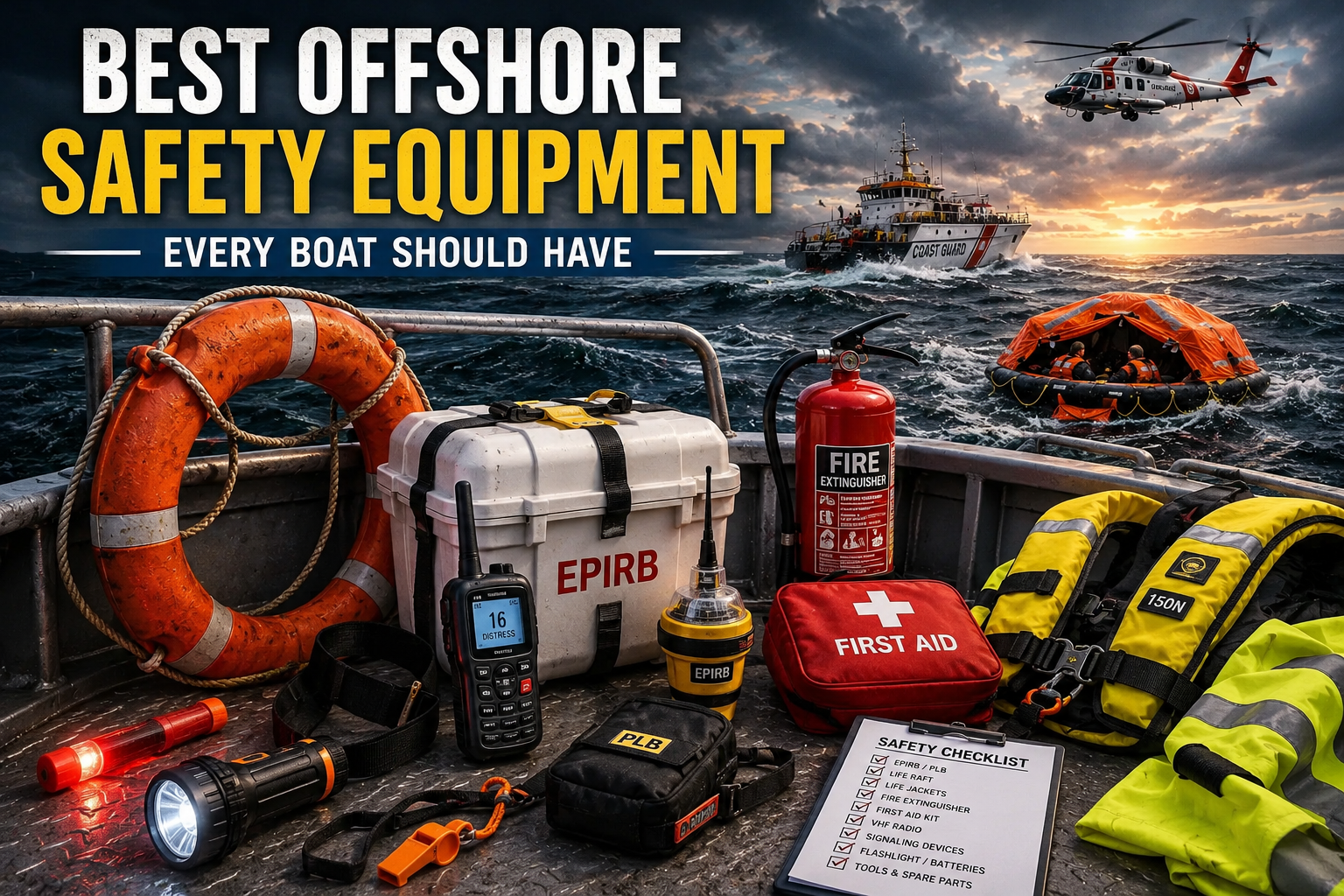
Start with the essentials. Reliable life jackets for every passenger. Working with fire extinguishers. Bright emergency flares. A dependable VHF radio. And of course, an EPIRB for serious offshore emergencies.
You don’t need the biggest boat in Florida to take safety seriously. Even smaller center consoles and fishing boats need proper emergency equipment onboard. Offshore conditions don’t care how expensive your boat is.
The good news? Most safety upgrades are simple and affordable compared to engine repairs or towing costs. More importantly, they protect their lives. That’s worth every dollar.
FAQ
- What is the most important offshore boating safety equipment?
The essentials include life jackets, flares, VHF radio, fire extinguishers, and an EPIRB. These items help protect passengers and improve emergency responses offshore. - Why do I need an EPIRB for offshore boating?
An EPIRB sends your location to rescue teams during emergencies. It becomes extremely important if your boat loses power or starts taking water far from the shore. - How often should boat flares be replaced?
Most flares have expiration dates. You should inspect them regularly and replace expired ones immediately to stay compliant and prepared. - Are VHF radios better than cell phones offshore?
Yes, VHF radio provides more reliable communication offshore where cell service may disappear completely. - How many fire extinguishers should a boat carry?
That depends on boat size but carrying more than the minimum requirement is always smart for offshore trips in Florida waters.