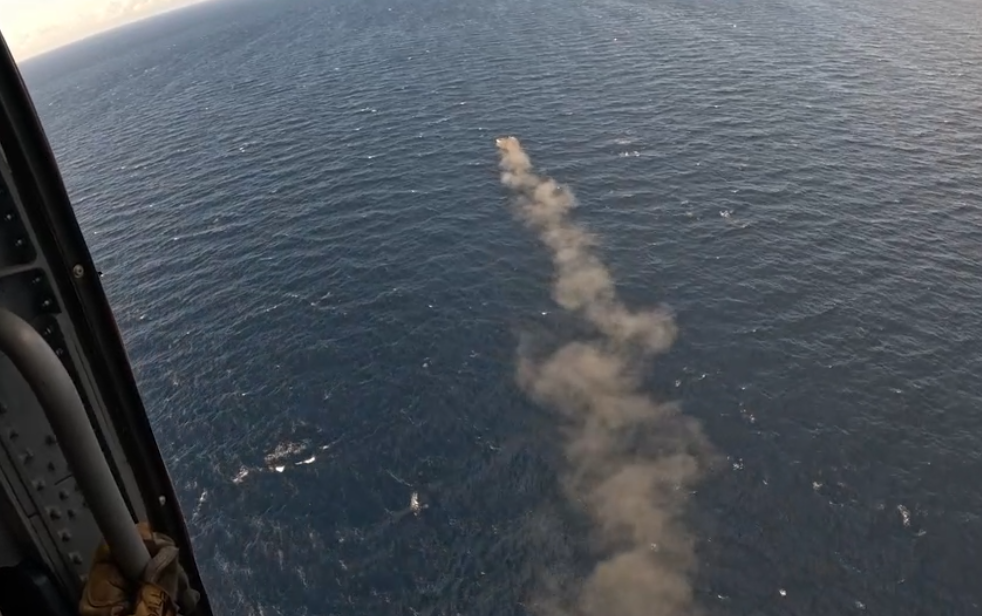
In December 2025- a fishing vessel caught fire nearly 100 miles off the coast of Clearwater, Florida.
There was no way to fight it. No safe place to stay onboard. No margin for hesitation. The boater did exactly what offshore safety training is designed to prepare you for. He abandoned the vessel, deployed his life raft, activated his emergency beacon, and waited. Minutes mattered. Preparation mattered more.
An MH-60 Jayhawk helicopter crew from the U.S. Coast Guard located the life raft and completed a successful hoist. The fisherman was brought home alive. That outcome was not luck. It was preparation executed in the right order.
Video courtesy: CBS12 News
Why Sequence Matters in an Emergency
Fire at sea is unforgiving. There is nowhere to pull over. No backup arrives unless you make it possible.
Once the flames made the vessel unsafe, staying onboard became the greatest risk. The decision to leave the boat early preserved time, energy, and options. That single choice changed the outcome. After entering the water, the boater activated his EPIRB (emergency beacon). That signal did more than call for help – it turned open ocean into a defined search area. Instead of searching blindly, rescue crews knew exactly where to look.
With the life raft deployed, the boater had flotation, shelter, and visibility. When the helicopter arrived, there was something stable to find and something safe to recover. Every step depended on the one before it. Miss one, and the story likely ends very differently.
A Life Raft Buys You Time - And Time Saves Lives
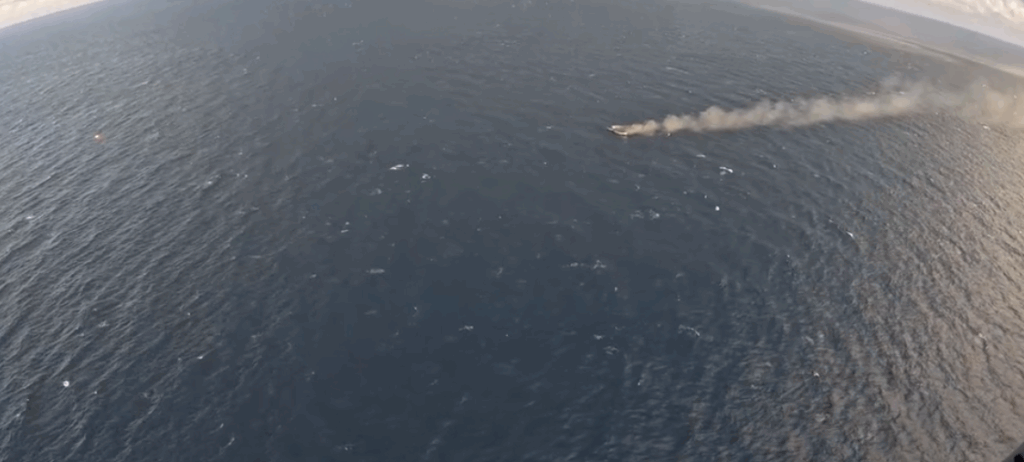
Image courtesy: CBS12 News
Many boaters still think of a life raft as an optional gear. Something only needed for long offshore runs.
That thinking gets people hurt. A life raft is not about distance from shore. It is about time. When fire, flooding, or collision makes your vessel unsafe, the raft becomes your new platform. It keeps you out of the water, reduces exposure, and gives rescuers something visible to locate. In real rescues like this one, that difference often determines survival.
Safety Gear Works as a System
No single piece of equipment saves a life on its own.
This rescue worked because multiple systems worked together:
- Life raft – flotation, shelter, visibility
- EPIRB – emergency position indicating radio beacon activation, allowing rapid response
- Rescue aviation – trained crews and the ability to reach remote waters
Each tool supported the next. That’s how offshore safety is supposed to work.
Why EPIRBs, PLBs, and Radios Still Matter Offshore
EPIRBs do not rely on cell towers. They do not depend on voice calls. When activated, they alert rescue coordination centers immediately and dramatically reduce search time. PLBs serve a similar role at the individual level, especially for solo operators or crew who may become separated from the vessel. VHF radios remain critical. Phones fail offshore. Batteries die. Signals drop. VHF allows direct communication with nearby vessels and the Coast Guard, often accelerating rescue even faster. Life jackets always come first. They keep airways clear and manage fatigue. In many cases, they are what make survival possible long enough for help to arrive.
Simple Safety Habits That Make a Real Difference
Preparation does not need to be complicated. It just needs to be consistent.
- Check weather conditions before departure — and again before heading offshore
- Confirm fuel levels and range
- Inspect safety equipment before every trip
- Verify expiration dates and battery status
- Ensure EPIRBs and PLBs are mounted for easy deployment
- Keep registration information current
- Service life rafts on schedule
- Know how to board your raft before you ever need it
- Monitor VHF Channel 16 and communicate clearly in emergencies
These habits exist because real incidents keep happening.
Florida Waters Demand Respect
Clearwater and Tampa Bay see heavy traffic year-round. fishing boats, charter crews, and weekend boaters. The Gulf can look calm in the morning and turn dangerous by afternoon. Distance offshore compounds risk quickly, regardless of boat size. Prepared boaters stay calmer when things go wrong. Calm decisions prevent panic. Proper safety gear, used correctly, protects everyone onboard and gives rescuers a real chance to help.
Preparation First. Rescue Second.
Marine safety equipment is widely available through trusted boating outfitters and professional maritime suppliers. What matters most is not owning the gear, but understanding it, maintaining it, and knowing when to use it. Because offshore, prevention comes first. Rescue comes second.
At Solution One Maritime, we study real-world marine incidents to help boaters understand what actually saves lives offshore.
Source: U.S. Coast Guard District 7; CBS12 News, Clearwater